
NFL Eyes Ban of Certain Contracts in Prediction Markets
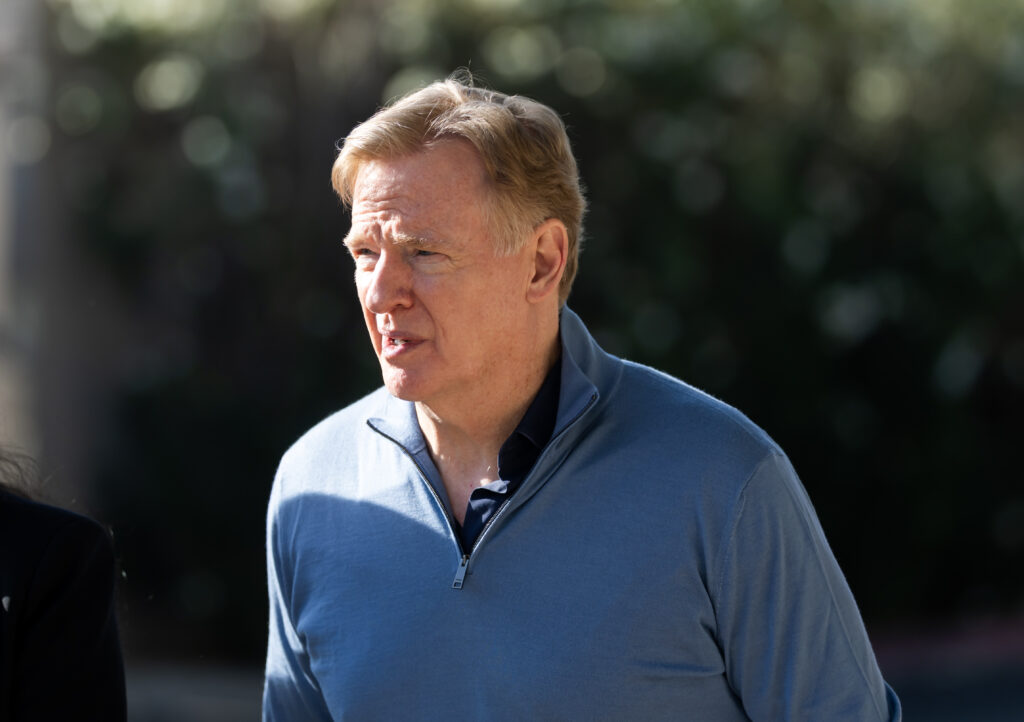
Prediction markets are seemingly diving further into sports with each passing day. So, there’s no doubt that operators such as Kalshi and Polymarket are eager for the NFL.
After all, the NFL drives the American sports betting bus. Why would prediction markets be any different?
But the NFL is trying to get ahead of the curve before the 2026-27 season, seeking to ban certain event contracts and raise the minimum age requirement to trade on sports contracts.
Integrity, Fraud Key Concerns
As reported by CNBC’s Davis Giangiulio, the NFL’s Brendon Plack sent a letter to CFTC chair Michael Selig last week outlining the league’s concerns. Plack is the NFL’s senior vice president for government affairs and public policy. Selig is leading CFTC regulators in discussions on rulemaking for sports prediction markets.
The key issue: Contracts that the NFL deems easily subject to manipulation. For example, a quarterback’s first pass being incomplete or a kicker missing a field goal.
The NFL also wants a ban on events that are “knowable in advance,” such as the first play of the game, or “inherently objectionable,” such as events involving injuries.
Said Plack in the letter: “These suggestions are aimed at (i) protecting the integrity of the sporting events to which the prediction contracts relate, and (ii) protecting participants in these prediction markets from fraudulent or manipulative behavior.”
It’ll be interesting to see how the CFTC responds to the NFL’s requests. Selig has already stated that he sees sports betting and sports contracts as not being the same.
Further, one of the more intriguing elements of sports prediction markets is the ability to play both sides – trading not only on things to happen, but things not to happen. Or taking the No on a Yes/No market.
Sportsbooks occasionally offer Yes/No props, particularly on the Super Bowl. Circa Sports does it with much more frequency, but Circa is an outlier in that respect and is not widely available.
In most instances, props are a one-sided market. Bettors can only wager on something to happen. There’s no way to take the other side. Prediction markets solve for that equation.
Must Be 21
Additionally, the NFL wants the age requirement for sports prediction markets raised from 18 to 21. As Giangiulio noted in the CNBC article, that would align with typical age requirements for online sports betting.
In fact, much of what the league wants is structure/guardrails modeled after state-level sports betting regulations.
Plack also stated that the NFL wants to prohibit “mentions” contracts, in which consumers are trading on whether a play-by-play announcer or analyst will utter a certain word or phrase.
Among other requests in the letter, as cited by CNBC:
- That the CFTC create a unique certification process for contracts related to an individual player’s performance or susceptible to manipulation. Currently, most event contracts are approved through a self-certification process by prediction market platforms, such as Kalshi.
- Prediction market platforms should enter agreements with sport governing bodies to establish and enforce a list of prohibited participants in sports event contracts, including league employees to minimize chances of insider trading.