
Minnesota Seeking to Ban Prediction Markets
Minnesota is seeking to ban prediction markets.
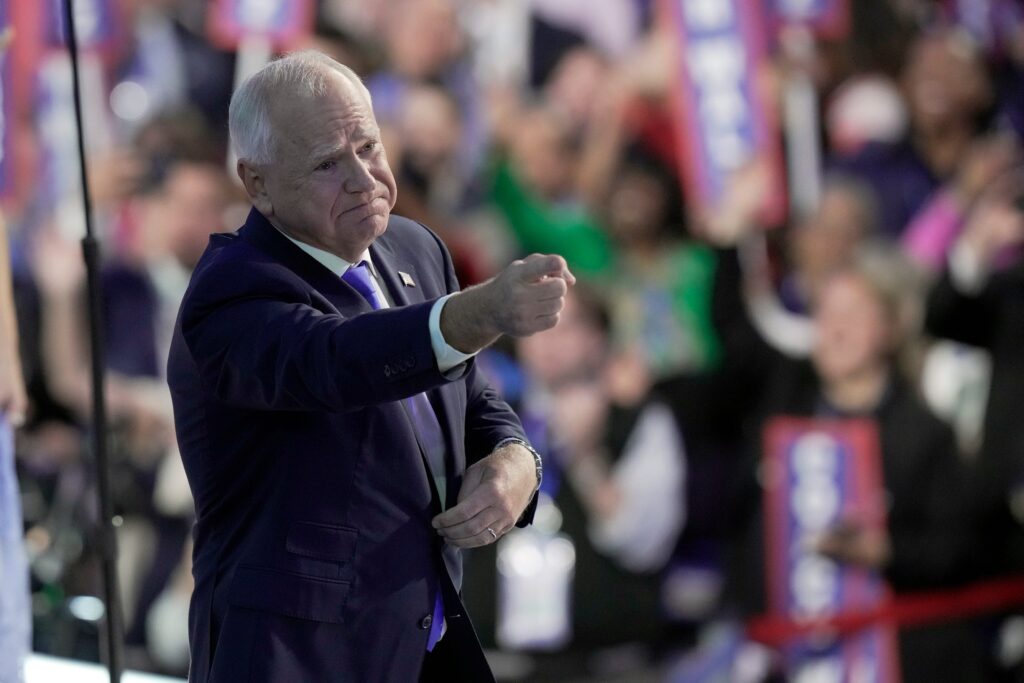
The bill, which was forwarded by the Minnesota legislature on May 12, sailed through both chambers with bipartisan support and now sits on Governor Tim Walz’s desk, awaiting a signature that would allow the state to criminalize what the federal government considers regulated financial markets.
If signed, the ban would take effect on August 1, 2026. After that date, operating a prediction market in Minnesota would carry the same legal weight as a felony.
What Are Prediction Markets?
Prediction markets allow users to buy and sell contracts tied to real-world events.
Millions of users worldwide are already trading on these platforms, as the concept isn’t new.
Platforms like Kalshi operate under the same regulatory framework. They’re registered with the Commodity Futures Trading Commission (CFTC), a federal agency that oversees derivatives markets.
Kalshi spokesperson Elisabeth Diana didn’t hold back: “Peak hypocrisy: MN banning prediction markets while its gov’t collects millions a year from slot machines, poker games, roulette tables, and casino games. Does anyone believe that casinos are safe and well-regulated, but CFTC-registered exchanges and clearinghouses are not?” she posted on X.
The bill’s co-author, State Senator Matt Klein, made headlines last month for placing a $50 trade on his own congressional primary victory on Kalshi.
The platform caught it, suspended him for five years, and imposed a monetary penalty. Klein called it “a mistake” and said the incident proved the need for “clearer rules and regulations.”
The Legal Showdown Coming
CNN’s Marshall Cohen put it bluntly: there’s a “colossal legal showdown right now between the federal government and the states” over whether prediction markets are gambling or regulated commodities. Minnesota just walked straight into the middle of it.
The CFTC has already sued other states over similar restrictions. The agency’s position is clear: federal commodities law preempts state gambling statutes when it comes to CFTC-regulated markets.
Defenders of prediction markets argue these platforms are just the digital version of what farmers have done for over a century.
House Minority Leader Harry Niska expressed concern about “the legal status” of the ban, noting that other states faced immediate litigation. Rep. Nolan West took it further, warning that a fight with the federal government would bring “losses and no gains for the public.” His assessment of the legal strategy? “Just doesn’t make any sense.”
The Debate Continues
Representative Emma Greenman framed the ban as state sovereignty: “We as a state should decide how best and what regulations we think should attach to gambling, to protect public safety, to protect our kids.”
Protect them from what, exactly?
The CFTC Commissioner Michael Selig wrote in a Wall Street Journal op-ed that these platforms “operate as federally regulated exchanges with clearinghouses and comprehensive investor protections, identical to those found in other derivatives markets.”
If Walz signs the bill, and bipartisan support suggests he will, Minnesota will become a testing ground for whether states can override federal commodities regulation.
The CFTC will almost certainly sue. The case will likely end up at the Supreme Court alongside the dozen other state-level challenges already working through the system.