
Prediction Markets Under Fire: AGA, IGA Want Congress to Limit Prediction Markets
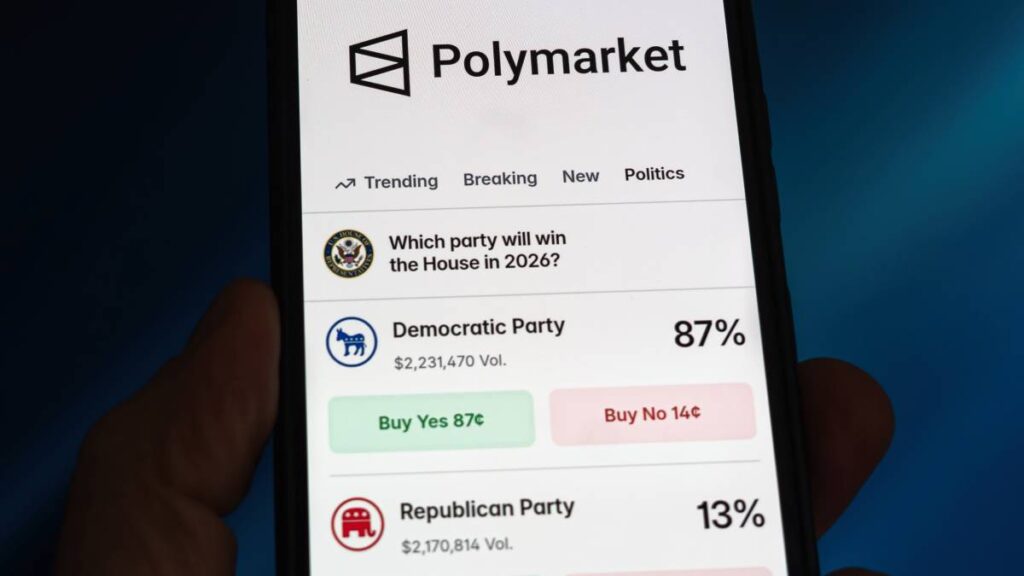
Prediction markets are online exchanges where people buy and sell contracts tied to future events. The American Gaming Association (AGA) and the Indian Gaming Association (IGA) are asking Congress to stop some platforms from selling sports-style “event contracts” nationwide because those products can bypass state and tribal gambling rules.
Earlier this year, the AGA and IGA wrote to Congress, but they felt a follow-up was needed because the Digital Asset Market Clarity Act (the Clarity Act) was moving, and lawmakers were showing growing concern about prediction markets.
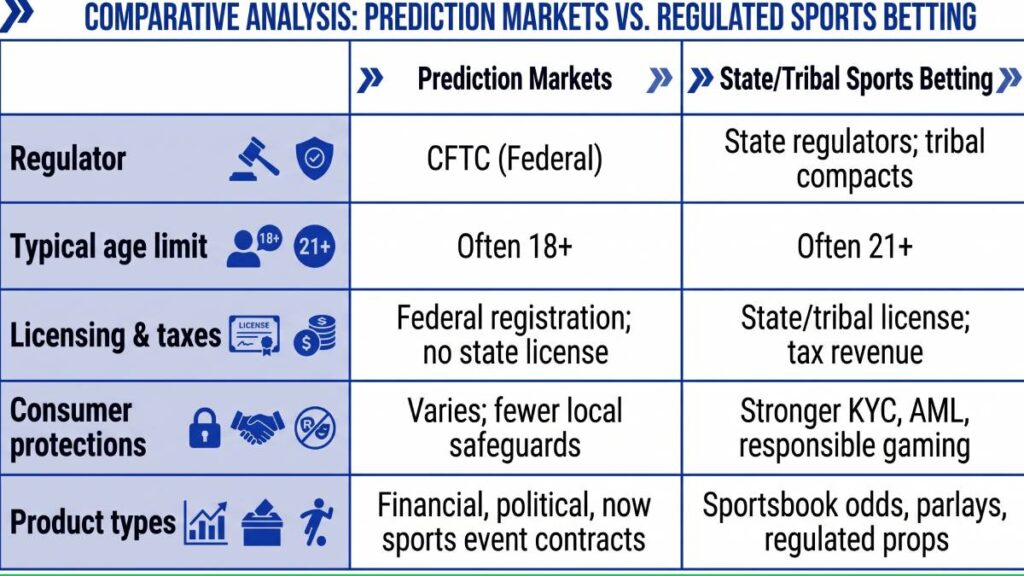
The new letter stresses recent steps in Washington, including the Senate decision to bar members and staff from trading on prediction-market platforms. It also points to the bipartisan Prediction Markets Are Gambling Act, which would stop prediction markets from offering sporting-event contracts and casino-style games. The associations say these developments make clear that Congress should act now to prevent prediction markets from operating like unregulated, nationwide sportsbooks.

What Are Prediction Markets and How Do They Work?
Prediction markets let users trade binary or outcome contracts that pay off if a specific event happens (for example, “Team A wins”).
Prices move with demand and can be read as a crowd-based probability. Traders buy low and sell high; when the event resolves, winning contracts pay a fixed amount. These markets have historically focused on finance, politics, and economics and are regulated at the federal level by the Community Futures Trading Commission under the Commodity Exchange Act.
But they are very popular with sports bettors. In fact, a group of tribes in New Mexico just filed a similar lawsuit against the prediction market platform Kalshi.
Why the AGA and IGA are pushing Congress
The American Gaming Association and Indian Gaming Association argue that some prediction market platforms began offering sports event contracts in early 2025 that look and act like state-regulated sports bets.
They say these products are available nationwide to users 18+, avoid state and tribal licensing, and lack local consumer protections and tax contributions. The groups sent joint letters to Congress in January 2026 and again in May 2026, urging explicit language in pending digital-asset legislation to bar sports betting-style contracts from CFTC-registered platforms.
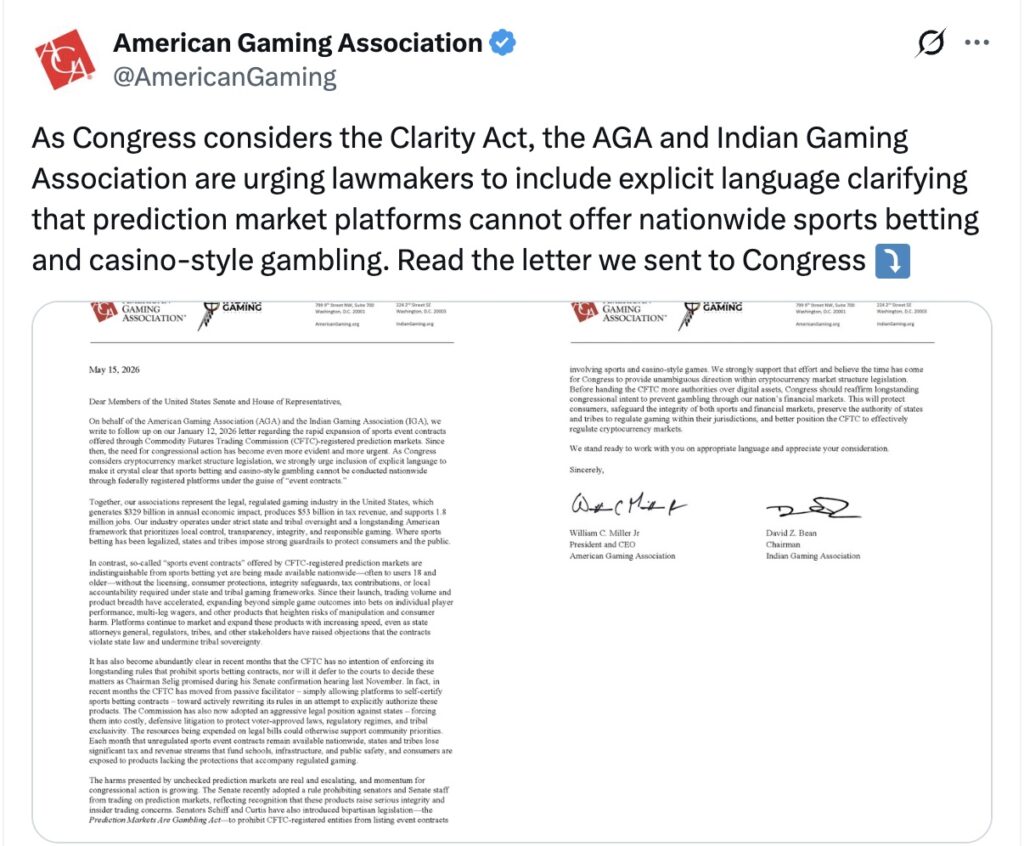
The Differences Between Prediction Markets and Regulated Sports Betting
The U.S. Supreme Court is expected to decide whether individual states can regulate prediction markets. Right now, the federal government asserts primary authority over these platforms because prediction markets are treated differently from traditional sports betting.
Kalshi recently won a big case in New Jersey. It’s a story that had been developing for months.
What’s Next?
The regulated gaming industry says the rise of sports-style event contracts threatens tax revenue, tribal sovereignty, and consumer protections, and has spurred lawsuits and state enforcement actions. Congress is considering the Digital Asset Market Clarity Act, and industry letters ask for “explicit language” to prevent nationwide sports betting under the guise of event contracts; the Senate Banking Committee advanced the bill by a 15–9 vote.
Analysts expect prediction markets trading volume to jump from about $51 billion in 2025 to roughly $240 billion this year, and then soar to $1 trillion by 2030. That growth implies a compound annual growth rate of about 80% over five years.
So, this battle is not expected to just go away. Some things to watch in the coming weeks and months include:
- Congressional language in the Clarity Act or related bills.
- CFTC rulemaking or guidance on event contracts.
- State and tribal legal actions against platforms offering sports contracts.
Prediction markets can be useful forecasting tools, but when they offer sports-style event contracts nationwide without state or tribal oversight, regulated gaming groups see a major legal and policy problem that Congress and regulators are now being asked to fix.