
Rhode Island and Kalshi Lock Horns in Dueling Lawsuits Over Prediction Markets
The legal battle over the future of prediction markets intensified this week as Kalshi and the Rhode Island Attorney General’s office filed competing lawsuits within hours of each other. The confrontation marks a significant escalation in the nationwide debate over whether “event contracts” constitute a legitimate financial instrument or a digital loophole for illegal sports wagering.
While Kalshi seeks federal protection for its regulated exchange, state officials argue the platforms are siphoning revenue and bypassing critical consumer protections.
The last chapter of this clash began on Thursday morning when Kalshi filed a preemptive federal lawsuit against Rhode Island officials, including Attorney General Peter F. Neronha and Lottery Director Mark Furcolo.
The company argues that Rhode Island’s threats interfere with the Commodity Exchange Act (CEA) and the authority of the Commodity Futures Trading Commission (CFTC).
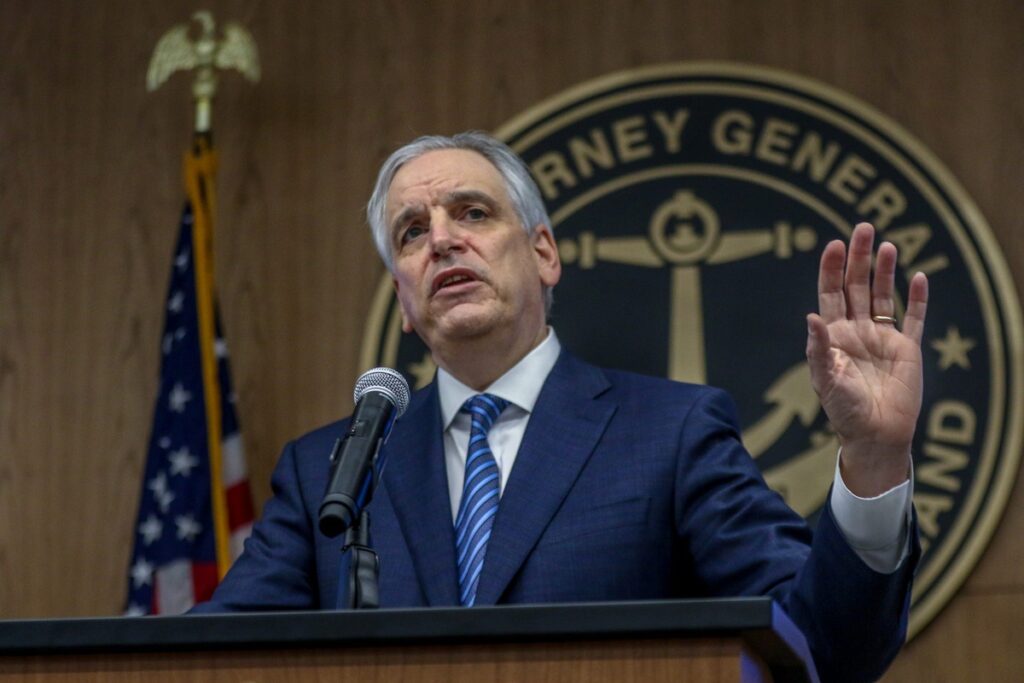
Hours later, Neronha retaliated by filing a state-level lawsuit in Rhode Island Superior Court against both Kalshi and Polymarket, characterizing their offerings as “unlawful sports gambling.”
Preemptive Strike: Kalshi Seeks Federal Shelter
Kalshi’s legal strategy hinges on its status as a CFTC-regulated Designated Contract Market. In its federal filing, Kalshi claims it met with Rhode Island officials on May 20, during which the state reportedly expressed the view that the platform’s event contracts violate state gaming laws.
Kalshi argues that allowing individual states to “patchwork” regulations over a federally overseen exchange would create “irreparable harm” to the national market. The company insists its contracts provide valuable hedging tools and economic data, rather than serving as a substitute for traditional gambling.

“Rhode Island’s stated intent to prohibit Kalshi from operating intrudes upon the federal framework that Congress established for regulating the trading of derivatives on federally designated exchanges.” – Kalshi complaint
Rhode Island’s Rebuttal: ‘It Looks and Feels Like Gambling’
In his response, Neronha was blunt about the state’s position, asserting that there’s “no substantive difference” between sports betting and the event contracts offered by these platforms.
The state’s complaint highlights the use of leaderboards and “yes/no” binary options as design choices intended to encourage addictive gambling behavior.
“Kalshi and Polymarket function, look, and feel like gambling because they are gambling,” the complaint states.
The AG further alleged that these platforms offer “unfettered access” to those susceptible to gambling addiction without the safeguards required of licensed Rhode Island sportsbooks.

“The problem here is that Rhode Island State law heavily regulates gambling and we allege that Kalshi and Polymarket are evading our laws. While these private companies continue to profit exponentially off hard-working people, the State’s third largest revenue stream is detrimentally affected, which means less money to fund critical parts of programs that serve Rhode Islanders every day.” – Rhode Island Attorney General Peter F. Neronha
Revenue and the Economic Impact
A central pillar of Rhode Island’s argument is the direct financial impact on the state’s lottery revenue — the state’s third-largest revenue stream. According to the Attorney General’s office, the Rhode Island Lottery (RILOT) has already observed a decrease in sports bets, a dip they attribute to the proliferation of unregulated prediction markets.
By operating outside the state’s legal gambling monopoly, Neronha argues, Kalshi and Polymarket are depriving the state of critical funding used for public programs. The state is now seeking a permanent injunction to bar the platforms from offering sports-related contracts in Rhode Island, along with the disgorgement of profits.
A Growing National Trend
Rhode Island is not the only state challenging the rise of prediction markets. Similar legal battles have recently unfolded in states like Massachusetts, Arizona and Minnesota, where regulators have moved to classify event contracts as illegal gambling.
The friction also reflects a broader national movement led by the American Gaming Association (AGA) and the Indian Gaming Association (IGA). Both groups have urged Congress to act against prediction markets that offer sports-style event contracts, arguing these platforms bypass state and tribal regulations.