
Google Will Develop $75 Million AI-powered Filmmaking Tool
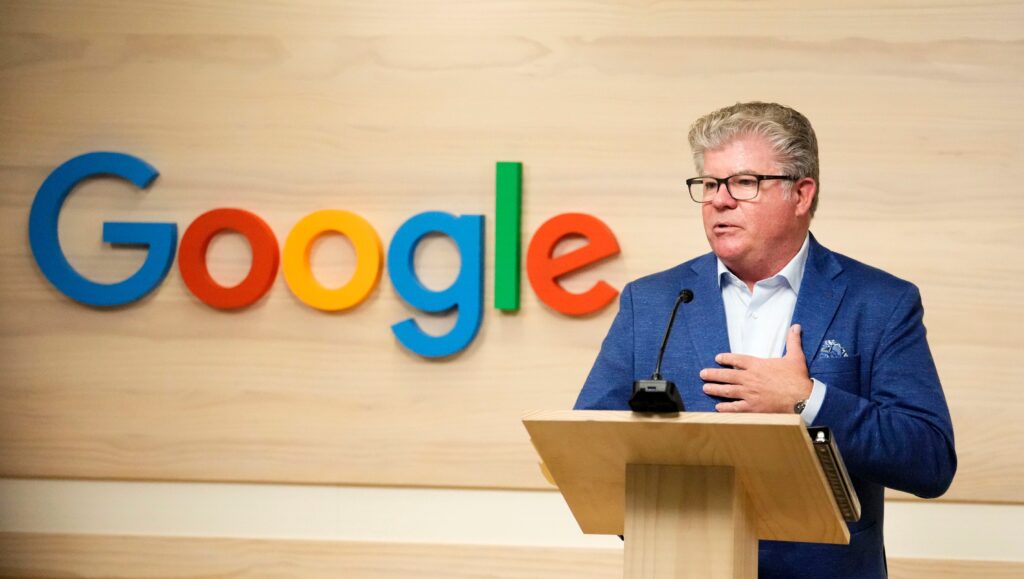
Google has invested approximately $75 million into the independent film studio A24, solidifying a multi-year, non-exclusive research partnership with its prominent AI unit, Google DeepMind. This marks the first time Google has taken a direct financial stake in a major film studio, and it could anticipate further investments within the industry.
While the details of the AI-powered tools in development are still scarce, the entertainment world has already reacted strongly to this partnership.
Terms of Engagement
According to a Variety report, A24’s specialized technology division, A24 Labs, will gain access to DeepMind’s advanced infrastructure and research talent. However, the agreement explicitly protects A24’s intellectual property, as Google will not receive access to the studio’s content archive or internal library data to train its AI models.
Instead of generating full visual assets from scratch, the collaboration is focused on developing behind-the-scenes applications that could potentially improve workflows. For instance, A24 Labs is currently building an application dedicated to AI-generated storyboards, a tool designed to help directors rapidly visualize scenes and map out production logistics.
Where is the Industry Heading?
This technical direction aligns with an emerging group of auteur filmmakers, including Martin Scorsese, who have cautiously explored AI storyboarding as a tool for creative prototyping rather than final asset replacement. This mirrors other industry moves, such as Netflix’s recent acquisition of Ben Affleck’s stealth post-production AI startup, InterPositive.
Nevertheless, despite technical promises, this partnership comes at a very delicate moment for the entertainment industry. Many filmmakers believe that AI assists for storyboards, reshoots, and editing will move from optional to standard and then become the default workflow for movies of any scale.
Generative, AI-powered tools have faced massive blowback from actors, writers and directors who view those models as major threats to traditional film labor and a direct path to massive unemployment within the industry.
That’s why A24 has been extra careful to frame this partnership as a different kind of deal.
AI Tools vs. Human Talent: The Battle for Authenticity
A24 Labs, headed by former Adobe executive Scott Belsky, aims to explicitly distance the project from that narrative, which totally excludes the human factor, deeming the traditional filmmaking process as primitive.
Belsky noted that A24’s initiatives seek to preserve absolute creative control while supporting risk-taking. He emphasized that the tools under development are nothing like the prompted generation type of AI that has caused so much debate within the industry.
Despite the careful framing, the announcement has triggered a wave of intense debate within the independent film ecosystem—a reaction directly linked to the studio’s unique pedigree. Founded in 2012, A24 has cultivated a fiercely loyal, young fanbase by championing unconventional, human-led storytelling.
The Reputational Risk
In the current landscape, the deal between Google and the studio poses a unique reputational risk for an indie darling whose audience skews heavily toward younger demographics. Furthermore, the studio’s own talent pool has been highly critical of the medium. Kane Parsons, the young director behind Backrooms– the studio’s biggest hit by a wide margin– publicly stated that he views generative AI as a form of cultural and economic rot.
Activists and industry figures have highlighted the inherent irony of a studio profiting heavily from fiercely human-led, anti-AI talent while simultaneously partnering with the planet’s largest tech companies. The studio claims that they won’t ignore the human factor and that these tools will be completely shaped by the artist’s need.
The debate on AI-powered tools within the entertainment industry is far from over, and Google’s investment is a clear sign that tech conglomerates have Hollywood on their sight