
Kalshi’s Clever Marketing Strategy Scores with World Cup Ads
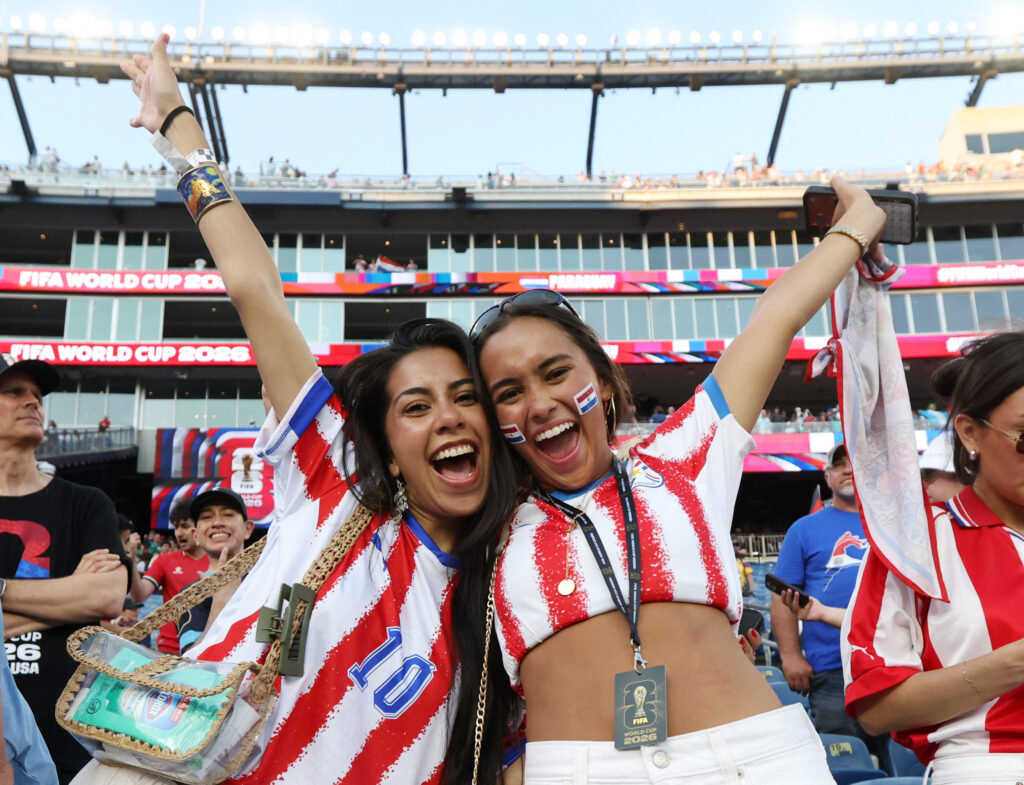
Scan the stadium boards during this week’s World Cup knockout matches, tucked between Adidas and Coca-Cola, and you’ll spot a name most casual fans don’t immediately place: Kalshi.
The exchange isn’t actually FIFA‘s sponsor: that title still belongs to ADI Predictstreet, the Gibraltar-licensed platform FIFA named as its first-ever official prediction market partner back in April.
But after reportedly turning down FIFA‘s own asking price for a stadium spot, Kalshi found its way onto the same boards anyway: through a side deal with the company that already had the rights.
What Did Kalshi and ADI Predictstreet Actually Agree To?
On June 26, the two companies announced a co-branded partnership running through the rest of the knockout stage: Kalshi’s logo now appears alongside ADI Predictstreet’s across stadium signage, broadcasts, and digital placements, and the pair is building a joint “World Cup hub” combining live markets with tournament coverage.
“The World Cup is the largest stage for any brand,” said Kalshi co-founder and CEO Tarek Mansour in the announcement. Looking past the final whistle, the companies also plan to work together on ADI Chain, the blockchain infrastructure behind ADI Predictstreet’s platform.
Why Pair Up Instead of Going It Alone?
The arrangement makes more sense once you look at what each side was missing.
ADI Predictstreet holds FIFA’s official blessing worldwide, but it’s licensed only in Gibraltar and has no built-in foothold with American audiences.
Kalshi has the opposite problem solved: it’s registered with the U.S. Commodity Futures Trading Commission and controls roughly 90% of the regulated U.S. prediction market, according to Bank of America figures, but it never had the official FIFA tie-in.
Pairing up closes both gaps at once and explains why Kalshi was reportedly willing to skip FIFA’s own $150 million sponsorship price tag and get similar exposure through ADI Predictstreet for a fraction of the cost.
Why This Deal Outlasts the Tournament
It also isn’t the first time ADI Predictstreet has leaned on an established U.S. platform to reach American users.
Before teaming up with Kalshi, it had already set up a similar co-branded hub with Fanatics Markets, which carries its FIFA-licensed content into 23 states. A Gibraltar license opens doors at FIFA headquarters, it just doesn’t open them at the U.S. border, which is exactly the gap Kalshi fills. The partnership also fits a broader pattern: Kalshi has separately lined up World Cup tie-ins with the Argentine Football Association, the Croatian Football Federation, Luka Modric, and the Men in Blazers podcast, and has reported daily trading volume topping $1 billion during the tournament’s opening weeks alone.
None of this is happening in a vacuum, either.
Major sports properties have been moving toward prediction markets for a while now: the NHL signed simultaneous multi-year deals with both Kalshi and Polymarket in late 2025, and MLS followed with its own Polymarket partnership early this year. FIFA creating an official category for the World Cup, and Kalshi finding its way in regardless of who technically held that title, just puts the trend on its biggest stage yet.
What Are Prediction Markets?
For anyone new to the format, prediction markets work nothing like a traditional sportsbook. Instead of facing off against “the house,” users trade contracts directly with one another on whether something specific will happen: like whether a team reaches the semifinals. Each contract eventually settles at either a dollar or zero, and the price in between simply reflects how likely traders think that outcome is.
That’s the real story behind this week’s stadium ads, even if most fans scrolling past them never clock it. Kalshi never paid FIFA’s asking price for a seat at the table: it just bought a cheaper ticket through someone who already had one, and ended up sitting in roughly the same row anyway. Smart business.