
Wildfire Prediction Markets and the Hazards of Disaster Betting
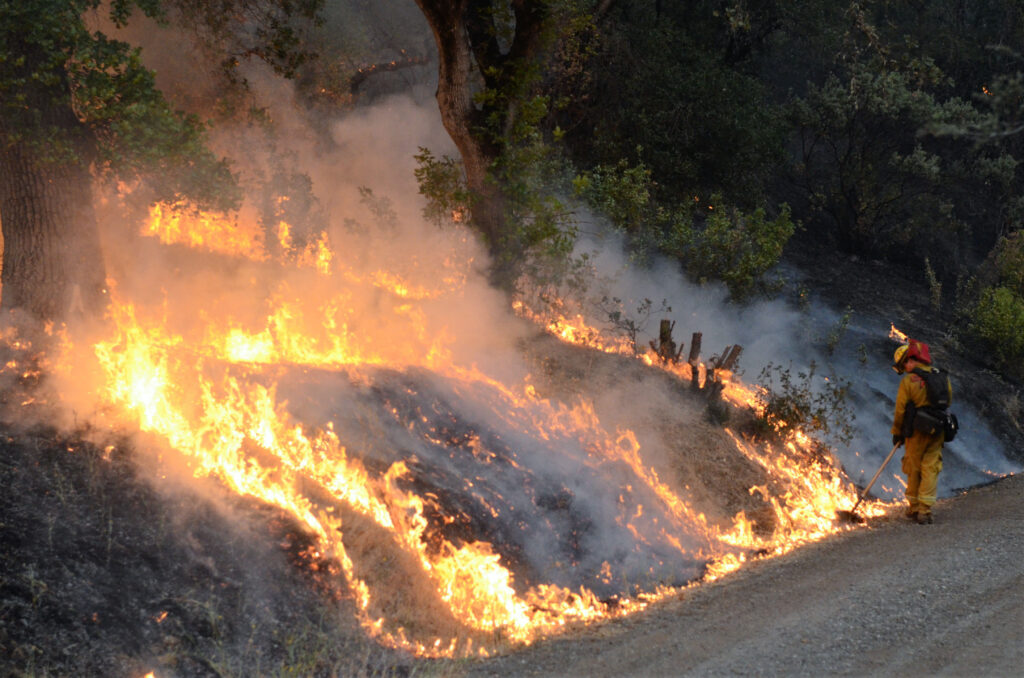
When destructive blazes swept across Southern California, burning through thousands of structures and claiming lives, a parallel financial debate opened up on prediction markets like Polymarket. Traders were predicting how many acres of land would burn, whether fires would cross specific city limits, and when emergency crews would achieve containment.
What some frame as “real-time risk pricing” is raising severe ethical questions among disaster experts, who caution that mixing financial speculation with active crises creates a recipe for catastrophe.
The Dangers of Disaster Gambling
During the height of the California wildfire, platforms listed dozens of micro-contracts. Questions ranged from whether the Palisades Fire would consume over 10,000 acres to whether specific municipalities like Santa Monica would be reached before containment was established. Over $1.2 million in trading volume flowed into these disaster contracts on Polymarket alone.
Climate experts and fire survivors voiced immediate outrage over the trend, claiming that it was not just a matter of ethics, but that it also presented a concrete danger that could alter the course of the containment strategies applied by firefighters.
Susan Sherman, a native of Pacific Palisades who lost her family’s long-held home to wildfire flames, said: “That’s what has me nervous.” In a High Country News article, she compared the unregulated environment of disaster betting to the “wild, wild West,” emphasizing that placing a monetary value on destruction incentivizes cold and heartless behavior.
The Risk of Arson and Insider Trading
Law enforcement authorities and policy specialists point out that event contracts targeting active wildfires create an alarming moral hazard by generating twisted financial motivations, amplifying the ethical distress felt by fire survivors. When money is involved, the risk of foul play grows exponentially.
In traditional financial markets, insider trading involves corporate secrets and the manipulation of data. In the case of a wildfire prediction market, insider information could take the form of specialized knowledge held by land managers, evacuation coordinators, or firefighters regarding containment strategies or wind shifts.
Even worse, individual actors possess the ability to physically alter the outcome of a wildfire at the cost of massive material and human losses.
For instance, if a trader holds a massive Yes position on a fire exceeding 20,000 acres or crossing a specific highway boundary, the financial reward for delaying containment or actively setting spot fires could far exceed the legal risks of arson.
The Industry’s Defense and Federal Regulation
On the other hand, prediction markets platforms argue those contracts serve a public function during active emergencies. Representatives of major companies argue that those platforms outperform traditional media in information aggregation, offering live, crowd-sourced evaluations on the path and potential intensity of a wildfire.
Disaster response leaders and meteorologists strongly dismiss this reasoning. To anticipate fire behavior, fire research facilities are already utilizing advanced supercomputers, satellite photography, and thermodynamic measurements. Relying on the so-called “wisdom of the crowd” is fundamentally unnecessary when human lives are at stake.
Substituting rigorous, proven atmospheric science with the volatile movements of anonymous traders provides absolutely no practical utility to incident commanders. Instead, it serves only to fuel widespread public alarm.
The controversy has caught the attention of federal lawmakers. Recent legislative proposals in Congress seek to ban prediction exchanges from listing contracts tied to illegal activity, terrorism, war, and natural disaster outcomes that put human life and property at direct risk.
Because the CFTC (Commodity Futures Trading Commission) regulates platforms such as Kalshi, subsequent discussions concerning this subject will involve federal frameworks aimed at monitoring such sensitive areas.
Where Does the Line Get Drawn?
The line between risk management and disaster exploitation continues to blur. While financial instruments like catastrophe bonds have long existed for institutional reinsurance, democratizing disaster speculation into highly-liquid contracts introduces unprecedented societal risks.
By turning community devastation and human suffering into profitable assets, society risks reducing natural tragedies to mere spectacle.