
Kalshi vs. Montana: New Lawsuit Aims to Protect Prediction Markets in the State
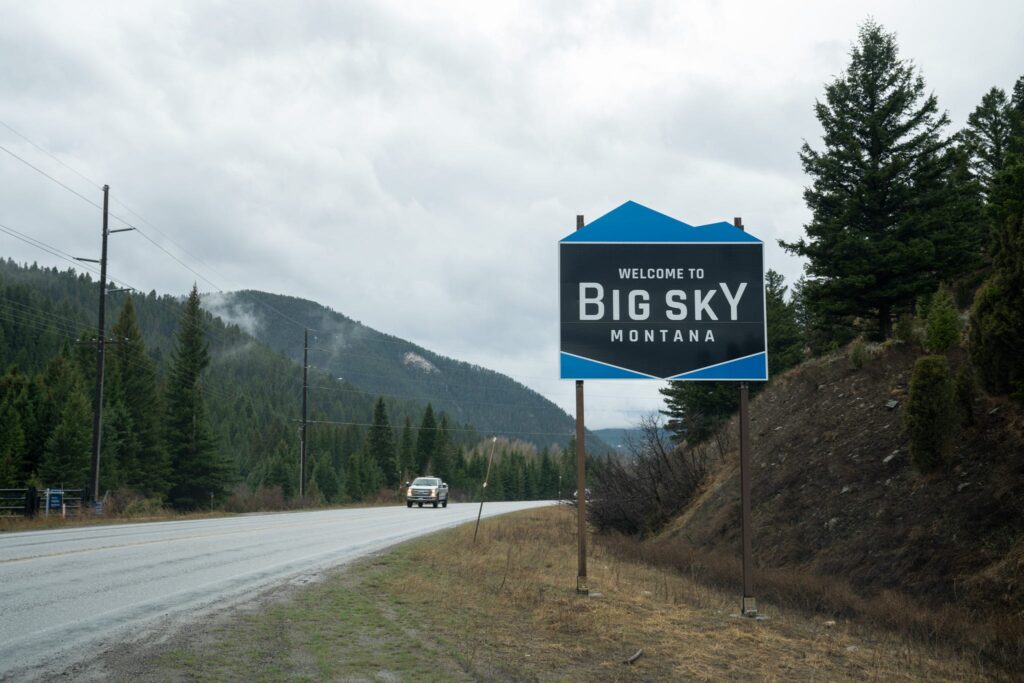
In April 2026, the prediction market platform Kalshi escalated its legal battle over regulatory jurisdiction by filing a federal lawsuit against Montana Attorney General Austin Knudsen and the state’s Gambling Control Division (GCD).
This case, KalshiEX LLC v. Knudsen et al., filed in the U.S. District Court for the District of Montana (Helena Division), represents a critical front in the national debate over whether prediction markets should be governed as federal financial products or state-regulated gambling.
The Conflict: A Broken Promise?
The lawsuit was triggered by a cease-and-desist letter sent by Montana officials on April 6, 2026. This was the second such order the state had issued; the first arrived in March 2025.
Kalshi’s primary argument is that Montana officials “reneged” on a prior non-enforcement agreement. According to the filing, the two parties reached a “standstill” in April 2025, where Montana agreed to defer any enforcement action while Kalshi was litigating a similar case in Nevada. Kalshi contends that Montana agreed to wait until that litigation — including all appeals to the Ninth Circuit — was fully concluded.
However, after a federal judge in Nevada recently reversed an earlier injunction that had protected Kalshi, Montana officials moved to shut down the platform immediately. Kalshi argues this mischaracterizes the original agreement and creates an “immediate threat” to its business.
The Legal Argument: Federal Preemption
At the heart of Kalshi’s 43-page complaint is the doctrine of federal preemption. Kalshi is a designated contract market (DCM) overseen by the federal Commodity Futures Trading Commission (CFTC).
Kalshi argues that:
Exclusive Jurisdiction: Under the Commodity Exchange Act (CEA), the CFTC has exclusive authority over derivatives and “event contracts” traded on federal exchanges.
Conflict with State Law: Montana’s attempt to classify these contracts as “unlicensed gambling” intrudes on federal authority.
Market Nature: Unlike traditional sportsbooks, Kalshi frames its platform as a financial exchange where users hedge against real-world risks (ranging from economic indicators to political outcomes).
Montana regulators, conversely, maintain that Kalshi’s offerings — particularly those involving sports-related outcomes — mimic sports betting. They argue that because Kalshi lacks a state gambling license and does not pay state betting taxes, it is operating an illegal gambling enterprise.
What’s at Stake?
Kalshi is seeking a preliminary and permanent injunction to block Montana from enforcing its gambling laws against the platform, as well as a declaratory judgment that federal law overrides state authority in this domain.
The implications of this case are significant:
State Power: If Montana wins, it could embolden other states to block prediction markets, effectively requiring these platforms to obtain 50 different state licenses to operate nationally.
Federal Authority: If Kalshi wins, it would solidify the CFTC’s role as the sole arbiter of prediction markets, preventing states from applying gambling statutes to federally regulated exchanges.
Market Access: For Montana residents, the immediate result is uncertainty. Until the court rules on Kalshi’s request for a temporary restraining order, the platform faces the threat of criminal or civil penalties if it continues to serve users in the Big Sky State.
The case (No. 6:26-cv-00028) is currently being overseen by Magistrate Judge John Johnston. Kalshi has already been granted permission to file an oversized brief, signaling the complexity and weight of the legal arguments involved.