
Prediction Markets Face Congress on Sports Event Contracts
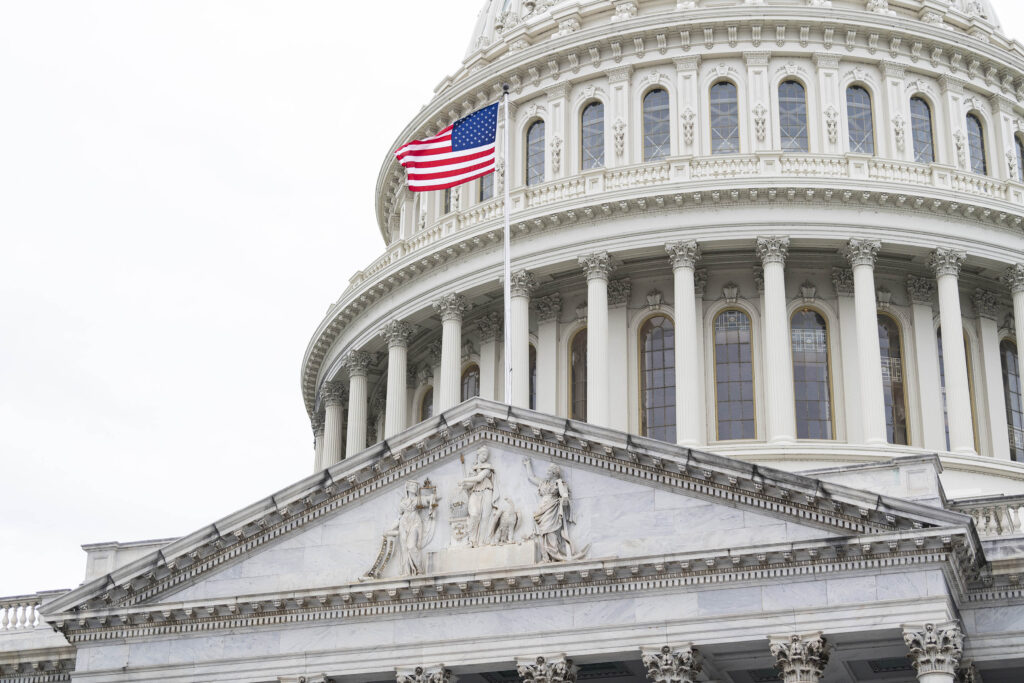
Spain had barely finished celebrating its World Cup title at MetLife Stadium when a very different contest kicked off in a House hearing room in Washington D.C. No trophy, no confetti, just lawmakers trying to figure out what to do with an industry coming off its biggest month yet.
That industry is prediction markets, and this week Congress gave it a hearing of its own.
What Prediction Markets Actually Are
The idea is simple: Users buy and sell contracts tied to a real-world outcome: will it rain in Chicago on Friday, will the Fed cut rates in September, will Argentina reach the final. A contract pays off if the outcome happens and pays nothing if it doesn’t, and the price moves as new information comes in, the way a stock reacts to news.
Kalshi and Polymarket are the two names most people know, and both operate under the Commodity Futures Trading Commission (CFTC), the federal body that also watches over derivatives markets.
Kalshi and Polymarket Just Had Their Biggest Month Ever
The reason Congress is paying attention now is timing.
The World Cup became the largest single event these platforms have ever handled. Kalshi told CNBC it picked up 3 million new users during the tournament, and its championship contract alone moved more than $1.2 billion before it settled, Prediction Pro reported. Polymarket’s own World Cup contract crossed $4 billion before the final kicked off, and combined activity tied to the tournament reportedly topped $12 billion.
Numbers like that are hard to ignore, and lawmakers spent much of the hearing on one question: is a contract on who wins a game a financial product, or event-contract trading? Rep. Dusty Johnson, R-S.D., called it the “central driving question” facing the committee, and it’s one regulators nationwide are already fighting over.
Regulators Are Already Sounding the Alarm
Congress isn’t the only body wrestling with this. Last week, Nevada Gaming Control Board chairman Mike Dreitzer warned that unchecked growth in sports contracts could lead to nationwide online casino-style products, and eventually physical terminals resembling slot machines.
New York, Ohio, Arizona and Minnesota have sued prediction platforms, arguing sports contracts belong under state gaming law, not federal rules. The CFTC disagrees and has intervened in several cases, including in Michigan, after a judge briefly blocked Kalshi from offering sports contracts there.
It’s Not Just Sports: Even the White House Got Pulled In
The reach of these platforms goes further than football and basketball. Earlier this month, President Trump’s longtime teleprompter operator was placed on unpaid leave after reportedly using early access to the president’s speech drafts to trade on Kalshi’s “Mentions” markets, contracts tied to whether a speaker says a specific word on air. He allegedly built up more than $100,000 before Kalshi’s surveillance flagged the pattern and froze the funds, a strange footnote showing how far these contracts reach into public life.
The Real Questions Congress Still Hasn’t Answered
Strip away the hearing-room language, and a few practical questions remain open. Who protects everyday users if a platform mishandles a contract, a state gaming board or a regulator built for Wall Street products? Does the CFTC, which critics call short-staffed, have the resources to police an industry growing this fast? And could a user end up legal in one state and blocked in the next while the fight plays out in court?
None of that got settled this week. What did get settled, again, is that this industry isn’t shrinking. The World Cup proved these platforms can pull in millions of users in weeks. The hearing proved Washington noticed. Spain got its parade through Madrid. Prediction markets got a seat in front of Congress, and a longer game still ahead.