
Polymarket Scandal: How Fake Wins Misled Millions on Social Media
They’re calling it a Polymarket Scandal.
A Wall Street Journal investigation found that Polymarket paid young influencers — including college student George Makihara — to post videos showing fake wins using dummy versions of the platform. These staged clips reached more than 140 million views, creating the illusion that making huge profits on Polymarket was easy and common. In reality, the trades shown in the videos never happened.
This news comes off the announcement that someone may have been manipulating temperatures in France to win weather trades.
Who Is George Makihara?
George Makihara is a college student who became one of the most visible faces in Polymarket’s social‑media push. His videos showed him placing big trades and winning huge amounts of money — including a clip where he appeared to win $100,000 on a prediction about whether President Trump would say the word “McDonald’s” in January 2026.
But according to the WSJ, none of it was real.
Makihara used staged websites like poiymarket.com that looked almost identical to the real Polymarket interface. The Trump clip even reused old footage, and real users who placed that same bet actually lost money. Makihara declined to comment to the WSJ.
What the Investigation Found
The WSJ reviewed 1,100+ videos from 10 creators. Here’s what they uncovered:
- $1.9 million in “bets” shown across the videos
- All of them were fabricated
- Creators were paid $2,000–$3,000 per month
- Many signed NDAs
- Some videos were reviewed by Polymarket before posting
- The campaign targeted U.S. audiences, even though Polymarket’s offshore platform is restricted for U.S. users
These videos, which led to the Polymarket scandal, created the impression that anyone could make fast, easy money on Polymarket — a message that directly contradicts the platform’s claim of being transparent and data‑driven.
Why This Matters: Deceptive Marketing and FTC Rules
The Federal Trade Commission (FTC) has strict rules for influencer marketing. Under the 2023 Endorsement Guides, creators must:
- Clearly disclose when they’re being paid
- Avoid misleading claims
- Never present fake or “atypical” results as normal
- Make disclosures obvious — not hidden in captions
The Polymarket campaign appears to violate all of these standards.
Likely FTC Problems
- Paid content was presented as organic, personal success
- Fake wins and staged interfaces count as false advertising
- U.S. users were targeted despite Polymarket’s restrictions
- The company did not ensure proper disclosures
Both brands and influencers can face penalties for this kind of behavior.
Regulatory Risks Beyond the FTC
The situation also raises questions for other regulators:
CFTC (Commodity Futures Trading Commission)
This is not the first Polymarket scandal we’ve seen. The company previously settled with the CFTC in 2022, agreeing to restrict U.S. users. Marketing that indirectly encourages U.S. participation could draw new scrutiny.
State Attorneys General
States increasingly treat prediction markets as gambling. Misleading ads could trigger consumer‑protection investigations.
Civil Lawsuits
Users who lost money may argue they were misled by staged content.
Polymarket’s Response
Polymarket said it is committed to transparency and plans to audit its promotional content. The company did not deny the WSJ’s findings.
An audit is a start, but experts say real compliance would require:
- Strict bans on fabricated content
- Mandatory, prominent disclosures
- Active monitoring of influencer posts
- Honest communication about risks (most users lose money)
Prediction markets rely on trust. Fake wins undermine the entire model.
Why This Scandal Hit So Hard
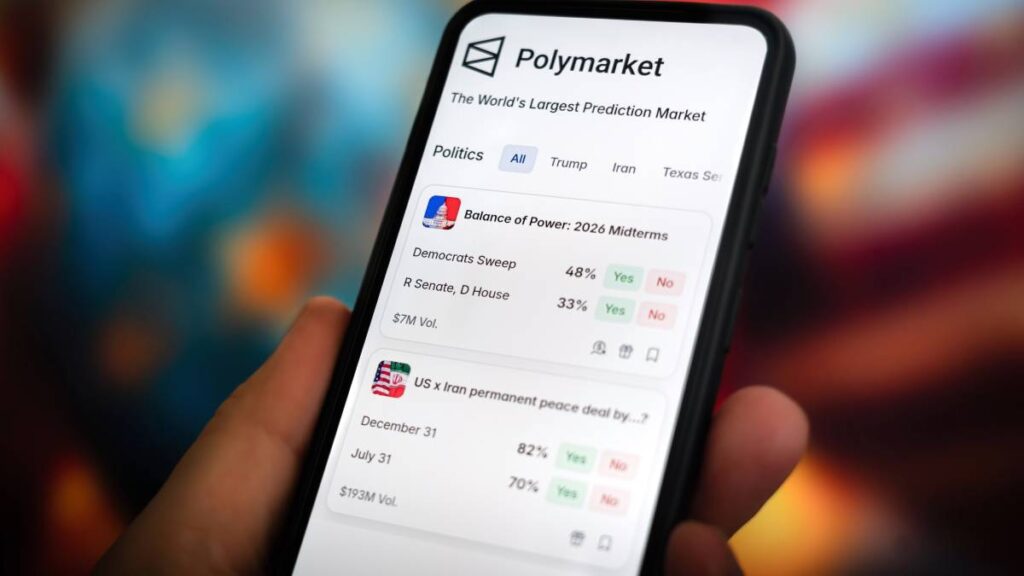
Polymarket exploded in popularity during the 2024–2025 election cycle. Millions of people were introduced to prediction markets through TikTok, Instagram, and YouTube. The influencer campaign helped fuel that growth — but at the cost of transparency.
The Polymarket scandal has sparked major discussions on Reddit, X, and crypto forums about:
- Whether prediction markets should be regulated like gambling
- How much responsibility influencers should bear
- Whether platforms can be trusted when their marketing is staged
Makihara’s videos became a symbol of a larger problem: viral hype overshadowing honest communication.
Polymarket Exhibits Bad Look
The Polymarket influencer scandal shows how easily social‑media marketing can cross the line into deception. When creators show fake wins, and platforms allow or encourage it, users are misled about the risks and realities of trading.
For anyone evaluating prediction markets, it’s important to look past the hype and focus on independent data. Most users do not make large profits, and staged videos don’t reflect real outcomes.