
Trading on the Lab: Prediction Markets Turn Sights Toward Clinical Trials
From the likelihood of geopolitical conflict to the winner of the next presidential election, prediction markets have become a primary tool for pricing the future. These platforms, which allow users to trade contracts on the outcome of real-world events, are rapidly expanding their reach.
While many participants remain focused on Big Tech’s earnings or shifting political winds, a new and highly specialized niche is emerging — and it isn’t escaping controversy.
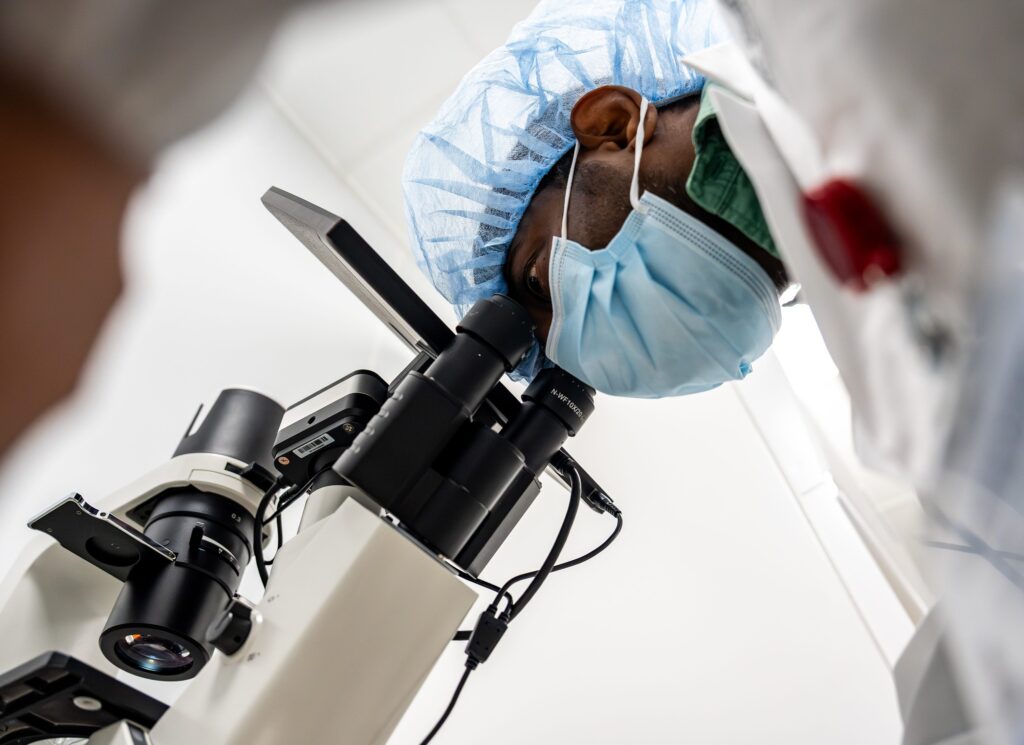
Prediction markets are now moving directly into the laboratory, offering contracts tied to the success or failure of clinical trials.
This shift brings the analytical energy of event-based forecasting to the sensitive world of medicine. As platforms list contracts on whether a drug will pass its next trial or receive federal approval, the high-stakes world of biotechnology is being opened up to a brand-new type of market scrutiny that some observers find ethically complex.
Real-Time Odds on FDA Approvals
Current clinical trial forecasting is led by two major players: Kalshi, which is regulated in the U.S., and the decentralized platform Polymarket. These exchanges allow users to take “Yes” or “No” positions on specific regulatory milestones.
On Kalshi, for instance, traders are tracking the FDA approval date for Intellia Therapeutics’ lonvo-z (formerly NTLA-2002) for Hereditary Angioedema and Compass Pathways’ psilocybin treatment, COMP360.
Meanwhile, Polymarket offers similar contracts, including the likelihood of Eli Lilly’s Retatrutide — a high-interest weight-loss drug — or Cingulate’s ADHD treatment, CTX-1301, gaining approval within the year.
However, a major caveat remains: liquidity.
Most of these biotech-specific contracts currently lack significant volume on trade. With few participants, a single large trade can cause or contribute to price swings, making these markets more of a speculative niche than a rock-solid scientific forecast — at least for now.
Managing Risk: The Regulator’s Perspective
The concept of forecasting healthcare outcomes has gained the attention of the Commodity Futures Trading Commission (CFTC). This is a pivotal development, as the CFTC is the primary federal agency responsible for regulating exchanges like Kalshi.
Under the leadership of Chairman Michael Selig, the agency has been navigating how to oversee these “event contracts” while recognizing their potential utility for hedging.
Selig recently highlighted the practical side of these clinical trial markets in an interview with Punchbowl News.
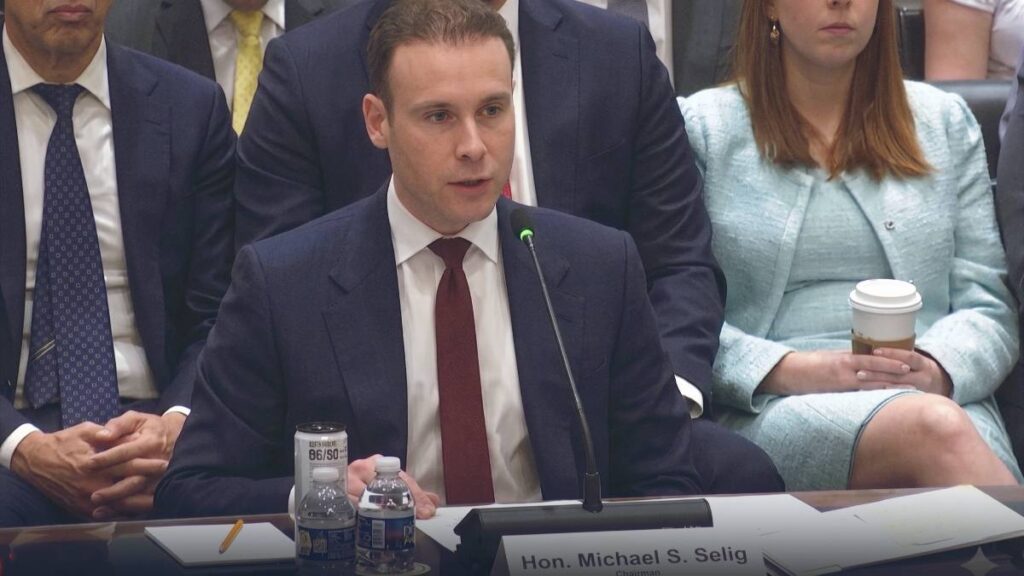
“Say somebody has a condition. They want to be able to manage the potential risk of having a future treatment or medical costs. They can enter into a prediction market and place a bet on the likelihood of something passing a drug trial.” – Michael S. Selig, Chairman of the CFTC.
The Growing Shadow of Insider Trading
As visibility increases, so does the risk of market manipulation.
In the biotech world, “material non-public information” (MNPI) is the ultimate currency. A lab technician seeing early data or a trial coordinator noticing a cluster of adverse events holds information that can move a market instantly.
While traditional securities laws are designed to police stock trades, the legal framework for “event contracts” is more complex. In that scenario, there’s a lingering fear that these platforms could become a “backdoor” for insiders to profit from confidential trial data.
Endpoint Arena: Accelerating Discovery Through AI
As reported by Fierce Biotech, a new specialized entrant called Endpoint Arena is attempting to go deeper into the science.
Currently in a pilot “paper trading” phase, the platform allows users — and even AI agents — to forecast whether companies from the pharmaceutical sector will meet specific primary endpoints in their ongoing trials.
“Prediction markets for science turn uncertainty into forecasts,” the creators noted ahead of an upcoming Boston Tech Week event this Wednesday, May 27. “By letting people trade on outcomes like clinical trials, they aggregate expertise into real-time signals about what’s likely to work — helping guide decisions and accelerate discovery.”