
Kalshi’s Legal Victory in the Third Circuit Court of Appeals

Kalshi just won an important legal case — KalshiEx LLC v. Flaherty — in the U.S. Court of Appeals for the Third Circuit. This is the first time this court has decided whether federal law takes priority over state gambling laws when it comes to certain trading contracts.
It’s a story that’s been developing for months.
Although New Jersey might try to challenge the decision further in court, the ruling remains in effect and is hailed as a landmark victory by supporters of prediction markets.
What Is Kalshi?
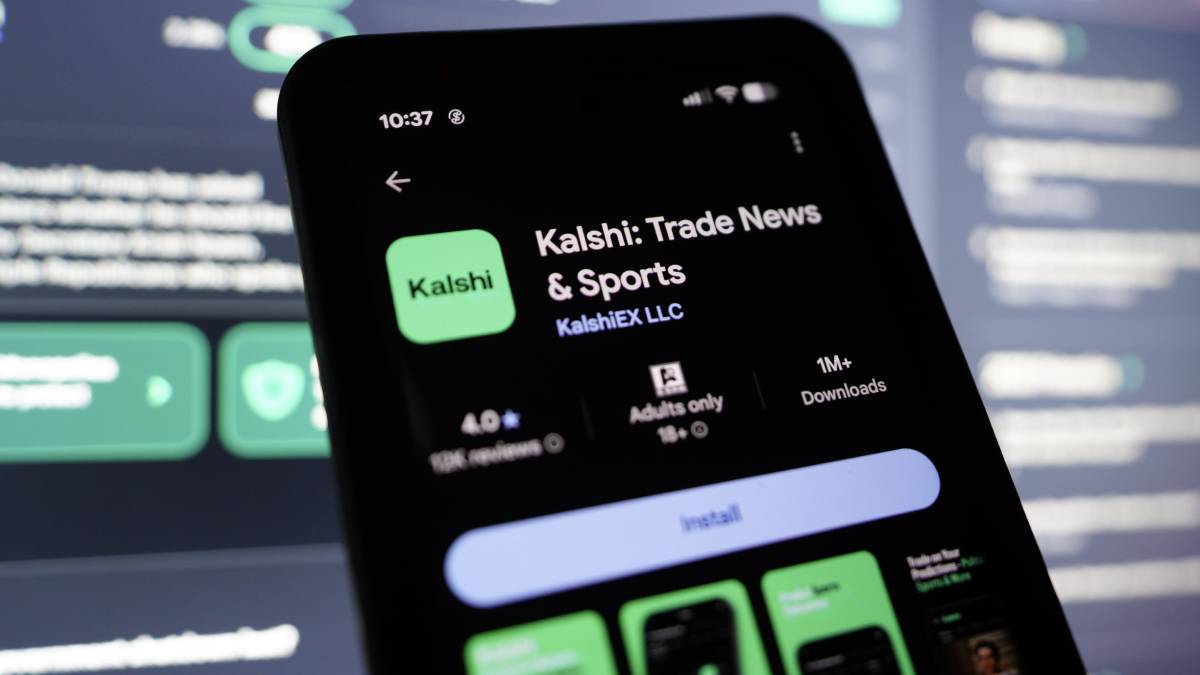
Kalshi operates as a CFTC-registered designated contract market (DCM), offering event contracts — essentially swaps or futures — based on real-world events in sports, politics, and entertainment. These contracts are regulated as federally approved derivatives under the jurisdiction of the U.S. Commodity Futures Trading Commission (CFTC).
They are also known as prediction markets.
The Legal Battle
In March 2025, New Jersey’s Division of Gaming Enforcement (DGE) issued a cease-and-desist order against Kalshi, claiming that its sports contracts constituted “unauthorized sports wagers” in violation of the state’s Sports Wagering Act and constitution.
Kalshi challenged this order in federal district court, arguing that the Commodity Exchange Act (CEA) grants the CFTC exclusive authority over trading on its DCM, thereby preempting state gaming laws under the Supremacy Clause.
In April 2025, U.S. District Judge Edward S. Kiel granted Kalshi a preliminary injunction, preventing New Jersey from enforcing its laws against Kalshi’s sports contracts. New Jersey appealed the decision, leading to oral arguments before the Third Circuit in September 2025.

The Dissenting Opinion
The dissent argued that Kalshi’s offerings are virtually indistinguishable from state-regulated sports betting, contending that labeling them “swaps” or “event contracts” is an attempt to bypass state authority.
It suggested that states should regulate these activities as gambling.
The Third Circuit’s Decision
Today, the court upheld the preliminary injunction with a 2-1 opinion authored by Judge David J. Porter, joined by one other judge. Chief Judge Chagares or Judge Roth dissented. Key points from the majority opinion include:
- Kalshi demonstrated a high likelihood of success on the merits, with the CEA preempting New Jersey’s gambling laws as they apply to Kalshi’s event contracts.
- These contracts, considered “swaps,” fall under the CFTC’s exclusive jurisdiction.
- The court emphasized that the issue was narrowly framed, focusing on whether states can regulate trading on federally designated contract markets rather than all sports gambling. Congressional intent and the CEA’s structure suggest federal preemption in this domain.
The lower court’s conclusion that New Jersey law cannot reach Kalshi’s federally licensed platform was deemed reasonable. The court also recognized irreparable harm to Kalshi, such as lost business and damage to its reputation, and determined that enforcing federal law served the public interest.

Implications of the Ruling
This decision represents a significant milestone for Kalshi and similar prediction markets for several reasons:
- It provides a green light for Kalshi to operate in New Jersey and potentially other Third Circuit states without state gaming licenses, taxes, or enforcement.
- As the first appellate decision on this contentious issue, it could influence other circuits and might prompt further review by the Supreme Court.
- The ruling highlights the ongoing tension between state-regulated sports betting, booming post-2018, and federally regulated prediction markets.
While New Jersey might seek further judicial review, this ruling stands and is celebrated by prediction-market proponents as a landmark decision. Although the case regarding the preliminary injunction is still ongoing, the Third Circuit’s strong stance on federal preemption is favorable for Kalshi.
What’s Next for Prediction Markets?
This ruling underscores the conflict between emergent prediction markets and traditional state-regulated gambling frameworks.
States are concerned about potential revenue losses, consumer protection, and integrity. In contrast, platforms like Kalshi advocate for regulation under more flexible federal standards. This landscape may lead to additional legal confrontations and possibly Supreme Court scrutiny. For now, Kalshi celebrates a significant triumph.