
How Prediction Markets Became Washington’s Newest Ethics Crisis
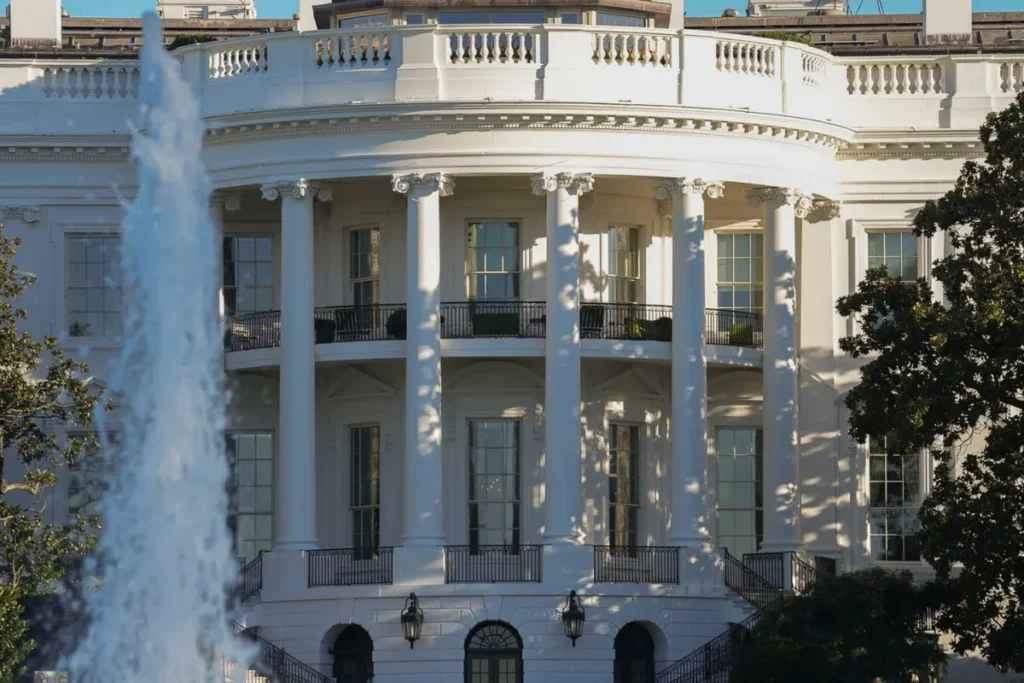
When the White House Management Office sent a quiet email to staff on March 24 warning them not to wager on prediction market platforms using insider knowledge, it was more than a routine compliance reminder. It was an acknowledgment that something had gone seriously wrong at the intersection of government power and financial markets, and that the line between political access and personal profit had become dangerously blurry.
The Internal White House Ethics E-Mail
The email, obtained by CBS News, stated that recent press reports had raised concerns about government officials using nonpublic government information to place wagers on online prediction markets, such as Kalshi or Polymarket. It reminded staff that doing so constitutes a criminal offense and that government ethics regulations prohibit using nonpublic information for the private benefit of any employee or third party.
The message directed anyone with questions to the White House Counsel’s Office, and warned that such misconduct “will not be tolerated.” In a statement to CBS News, White House spokesman David Ingle pushed back on the suggestion that any wrongdoing had occurred, calling the implications of misconduct “baseless and irresponsible,” while affirming that all federal employees are bound by ethics guidelines prohibiting such behavior.
The Iran Announcement That Set Off Alarms
The warning email didn’t come out of nowhere. Just hours before it was sent, more than $760 million worth of oil futures contracts changed hands in less than two minutes, roughly 15 minutes before President Trump announced on Truth Social that he was pausing planned strikes on Iranian power plants. The suspicious timing of those trades raised immediate concerns about insider knowledge being used for financial gain.
Three accounts on Polymarket earned more than $600,000 by correctly betting on the timing of the Iran ceasefire announcement. The White House denied any evidence of leaks, but the episode sent shockwaves through Washington and financial circles alike.
It was far from an isolated incident. One anonymous Polymarket user made more than $400,000 after betting that Venezuelan President Nicolás Maduro would be toppled before the end of January, a wager placed just hours before U.S. forces captured him. Another Polymarket user has made nearly $1 million since 2024 by correctly predicting U.S. and Israeli military actions against Iran.
A Pattern of Suspicious Trades
Reports of big payouts from market trades that appeared to foresee major actions by the Trump administration, potentially with insider information, have become increasingly common. Substantial trades were flagged on platforms like Polymarket and Kalshi, where some users reportedly made over $1 million on war-related wagers since 2024.
The phenomenon has extended well beyond geopolitics. The scope of insider trading has grown to unprecedented levels thanks to platforms like Kalshi and Polymarket, which offer event contracts on everything from major world events to celebrity trifles. In one particularly alarming case, an Israeli journalist told The Washington Post that online gamblers had pressured him to change his blog post about an Iranian missile strike so they could win a Polymarket payout and that he faced threats to his own and his family’s safety if he didn’t comply. Separately, an Israeli Air Force reservist was indicted on multiple offenses related to alleged trading on the timing of Israel’s opening strikes against Iranian nuclear facilities.
Trump Family Adds a Complicating Layer
The controversy is made more complex by the Trump family’s financial entanglements with the very platforms at the center of the scandal. Donald Trump Jr. is an investor and advisor to Polymarket, and a paid advisor to its primary competitor, Kalshi. The Trump family’s social media company also announced it would launch its own prediction market platform, called Truth Predict.
Critics argue that the administration’s broader posture toward financial regulation has created fertile ground for abuse. The president has made clear that financial crimes are not a priority for his administration, dismissing or suspending many cases and, in some instances, dismantling the offices responsible for prosecuting them — leading some bettors to view prediction markets as an insider trading free-for-all.
Platforms Push Back, But Is It Enough?
Both Kalshi and Polymarket have moved to get ahead of the scandal. Polymarket issued rules placing bans on trades based on confidential information or in violation of a duty of trust or confidence. Kalshi announced new rules to block politicians from trading on their own campaigns and athletes from trading in their own leagues.
But bipartisan lawmakers say those self-imposed measures don’t go far enough. Senators Adam Schiff (D-CA) and John Curtis (R-UT) said they won’t drop their push for legislation that would give states regulatory control over sports betting and casino-style games on these platforms, dismissing the companies’ policy announcements as merely “aspirational.”
The CFTC’s director of enforcement has stated that much of the monitoring responsibility for federally regulated prediction markets rests with the licensees themselves — a stance that has drawn criticism from those who believe the agency needs to step in more forcefully. The CFTC’s new top enforcer, however, has vowed to aggressively detect, investigate, and, where appropriate, prosecute insider trading in the prediction markets.
A Broader Erosion of Trust
For many ethics experts, the prediction market scandal is a symptom of something larger. Today, just 17% of the American public trusts the federal government to do what is right for the country, down from 77% in 1964, according to the Pew Research Center. To some ethics experts, the controversy underscores an alarming erosion in norms preventing public officials from profiting off government work or connections.
“The underlying problem is not the insider trading, it’s public corruption,” says Adam Michel, an economist at the libertarian Cato Institute.
Meanwhile, states aren’t waiting for Washington to act. More than a dozen states have moved to regulate prediction markets. California Governor Gavin Newsom issued an executive order banning state appointees with insider information from participating in such markets, and Washington State sued Kalshi for allegedly facilitating illegal gambling.
What started as a niche financial product, a way to crowdsource predictions on everything from elections to sports, has evolved into a high-stakes arena where the boundaries between public service and private profit are being tested like never before. The White House email may have been a warning shot. Whether it leads to real accountability remains to be seen.