
War Trades and Washington: Democrats Push CFTC to Crack Down on Prediction Market “Insider Trading”
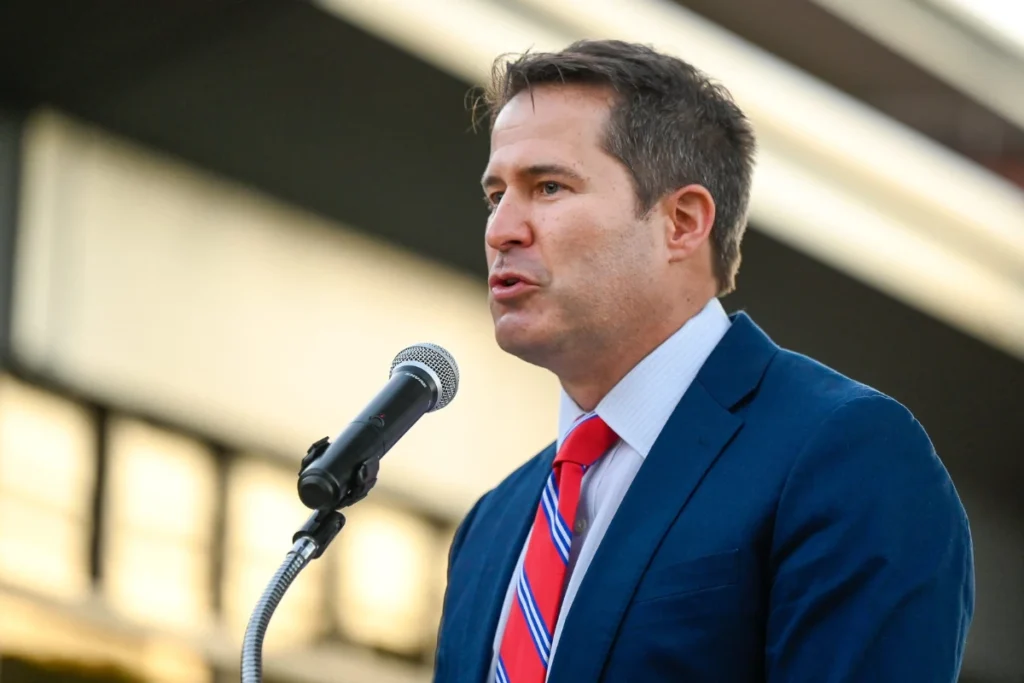
A growing controversy over well-timed bets placed on military strikes in Venezuela and Iran has prompted a group of House Democrats to demand that federal regulators take action against what they call potential insider trading on prediction market platforms, and to explain why they haven’t already.
The lawmakers, led by Representatives Seth Moulton and Jim McGovern of Massachusetts, sent a letter to the Commodity Futures Trading Commission (CFTC) raising alarms about suspicious trading activity on platforms like Polymarket.
“Recent high-profile instances of alleged insider trading on prediction market platforms relating to U.S. government actions, including the military’s intervention in Venezuela and our recent attack on Iran, have fueled concern that the CFTC does not have adequate control over these fast-growing markets,” the group wrote.
Suspicious Trades, Staggering Returns
The concerns are grounded in striking numbers. Hours before U.S. missiles struck Tehran on Saturday, February 28, six Polymarket accounts placed trades that military action would begin. Together, they raked in $1.2 million, with one account turning $61,000 into nearly $493,000, a return of over 800%. Most of these accounts were created and funded within 24 hours of the strikes.
Similar patterns emerged in January, when freshly created accounts netted over $400,000 trading on the capture of Venezuelan President Nicolás Maduro, just hours before the operation went public.
Regulated vs. Offshore: A Key Distinction
The two dominant players in the prediction market space occupy very different legal positions. Kalshi is based in the U.S., says it bans controversial trading on topics like war, and is regulated by the CFTC.
Polymarket is an offshore company, though it is available in the U.S. on a limited basis and has been the venue for some headline-grabbing event contracts.
Federal regulations already prohibit futures contracts based on assassinations, war, or terrorism. But the trades that paid out upon Iranian Supreme Leader Khamenei’s death occurred on the largely unregulated international version of Polymarket, which some Americans still access through virtual private networks.
The Democrats argue this regulatory gap is no excuse for inaction. The CFTC’s internal rules, as well as the Commodity Exchange Act, allow the agency to regulate when “swap activities outside the United States have a direct and significant connection with activities in, or effect on, commerce of the United States.” The lawmakers wrote that “these provisions make it clear that the CFTC has the authority to police insider trading in swaps markets and should apply its existing rule prohibiting trades relating to terrorism, assassinations, and war.”
Conflict of Interest Questions
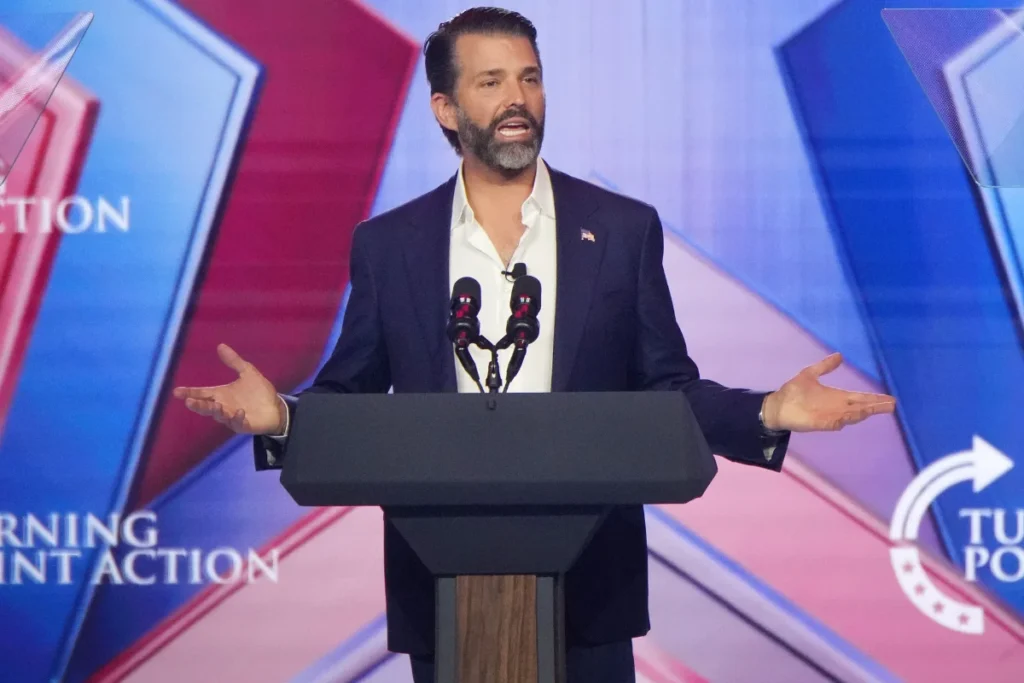
The letter also raised pointed questions about potential conflicts of interest. The lawmakers questioned whether the CFTC had been made aware of “any conflicts of interest between major market participants and family members of Executive Branch officials, including the President of the United States.” Donald Trump Jr. is an investor in and an unpaid advisor to Polymarket, as well as a strategic advisor to Kalshi. The Trump family’s social media company has also announced plans to launch its own prediction market platform, called Truth Predict.
The CFTC’s Hands-Off Approach
Despite the pressure from Congress, the CFTC under Chairman Michael Selig has taken a notably permissive stance toward the industry. The CFTC under the Trump administration has championed oversight that bolsters an expansion of prediction markets, with Selig announcing a task force to advance rules that “foster innovation at home and ensure American participants are not left on the sidelines.”
At the same time, the agency has been aggressive in defending the industry from state-level regulation. The CFTC last week sued three states (Arizona, Illinois, and Connecticut) that had issued cease-and-desist orders to prediction markets that they said violated gambling laws. And just this week, a federal appeals court ruled that New Jersey gaming regulators cannot bar the use of Kalshi to place trades on sporting events, marking the first time a federal appeals court had weighed in on that central legal dispute.
Self-Policing Under Scrutiny
Both platforms have taken steps to address the controversy on their own terms. Polymarket issued rules placing bans on trades based on confidential information or in violation of a duty of trust or confidence. The same day, Kalshi announced new rules to block politicians from trading on their own campaigns and athletes from trading in their own leagues.
But critics say voluntary measures aren’t enough. To date, there haven’t been any federal criminal prosecutions or CFTC civil cases brought against trade in prediction markets. Federal prosecutors in Manhattan are reportedly exploring whether certain trades may have violated insider trading laws, but no charges have been filed.
The lawmakers requested a response from CFTC Chairman Selig by April 15, writing: “Such corrupt trades deserve swift and decisive oversight.”
The prediction market industry, now drawing billions of dollars in weekly trading activity, finds itself at a crossroads. For now, prediction market operators are caught between a permissive federal regulator, aggressive state pushback, mounting legal battles, and a Congress that is growing increasingly impatient with the pace of accountability.