
How to Read Market Sentiment Shifts as News Breaks
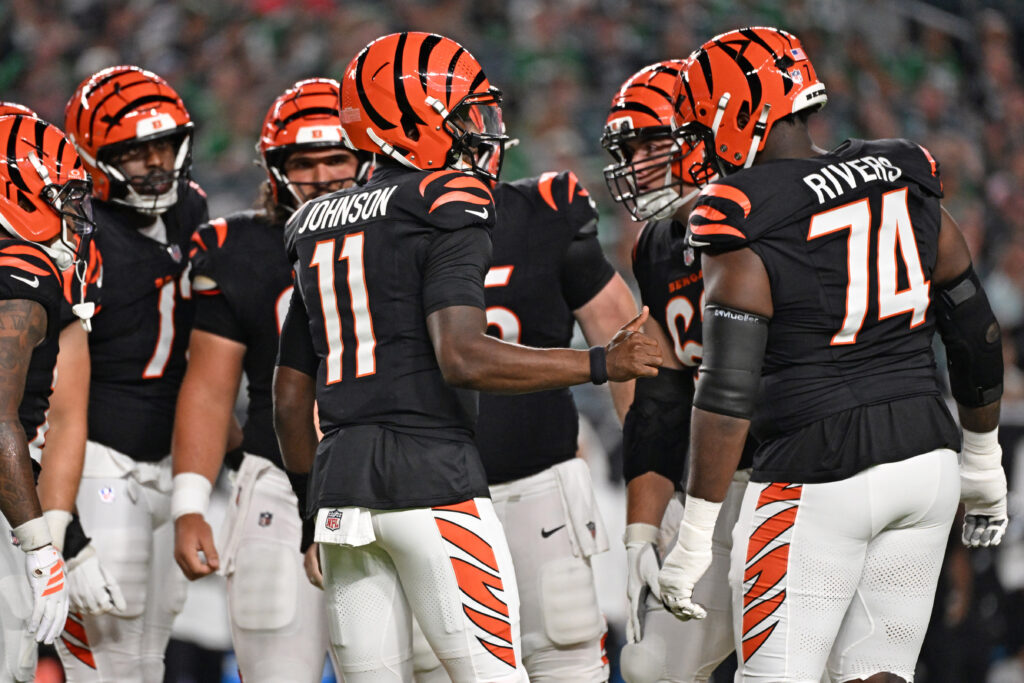
Prediction markets are a great arena for understanding how information affects investing behavior. Whether it’s an injury report during the NFL season or President Trump trying to wrangle market behavior during the war in Iran, consumer sentiment and prices shift dramatically when new information is introduced. It’s also the time when the greatest opportunity arises — the demand for both yes and no outcomes usually increases around the release of new information.
It’s best to see how market sentiment shifts in an example rather than the abstract. Let’s use the week heading up to an NFL game. Let’s say the Eagles and Cowboys are playing each other in Philadelphia in Week 1 of the NFL season. It’s a divisional game, so both teams know each other, and there’s preseason hype surrounding both teams.
It’s a tight spread between these teams, so the Eagles are trading at 54 cents for YES and 46 cents for NO. If we read the prices for market sentiment, the prices say that the trading public thinks there isn’t a clear favorite to win this game. Markets like these tend to have higher trading volume because of the toss-up nature of the outcome, and are affected dramatically when breaking news comes out.
Suddenly, breaking news in the middle of the week — Saquon Barkley suffered an injury in practice and will not be available for Week 1 against the Cowboys. The price for Eagles trading goes from 54 cents YES and 46 cents NO to 44 cents YES and 56 percent NO. A 10% swing, just off on one piece of (significant) new information.
New traders should be cautious, because changing market prices are not truth, and can often be wrong. Traders often overreact to breaking news, thinking they must make a move. This is a great inflection point to reassess your investment strategy in the position and decide how you should read the market sentiment going forward.
Context is incredibly important when reading market sentiment. Ask yourself questions like:
- How much has the price changed in the wake of this new information?
- What kind of information could bring another price change?
- Has trading volume in the market increased since the news became available?
- How have related markets (like futures and individual player props) been affected by the news?
These types of questions will get you thinking in a way that will set you up to make profitable trades and take advantage of opportunities. Always remember that the price of position outcomes is reflective of what traders believe at the moment, but may not be accurate of what will happen when resolution is reached.
A good habit to get into, especially with weekly markets like the NFL, is to review the price history for an event over a given week. See how prices fluctuated and how people reacted to certain news. Reviewing these and learning to pick up on patterns will help you develop skills in interpreting market sentiment and employing them to make profitable trades and grow your account balance.