
How Prediction Markets Let You Track Whale Trades
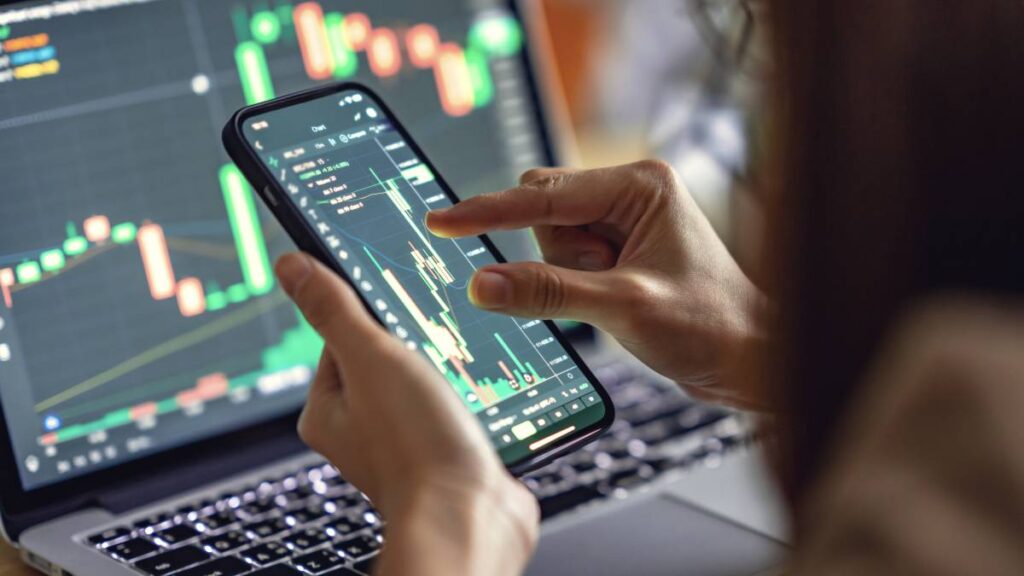
Blockchain-based prediction markets have introduced a new level of transparency to online trading. On platforms that settle trades on a public blockchain, users can review transaction activity tied to a wallet address, including large trades placed by so-called whales.
For traders, analysts, and curious observers, this creates an opportunity that doesn’t exist in most traditional betting markets: the ability to follow large positions and study how major wallets move before, during, and after important news events.
Just like maker/taker fees reward traders who supply liquidity, users get a peek behind the curtain when it comes to on-chain prediction markets.
What Is a Prediction Market Whale?
A whale is a trader or wallet that places unusually large trades. In prediction markets, that can mean positions worth tens of thousands of dollars, hundreds of thousands of dollars, or even more.
A large trade can influence a market’s price, especially when liquidity is limited. For example, if a wallet spends $100,000 buying “Yes” shares in a close election market, the price of those shares could rise quickly. Other traders may interpret that move as a sign of confidence, research, or access to valuable information.
However, a whale trade is not automatically a smart trade. The position could be a hedge, part of a larger strategy, or one side of activity spread across multiple wallets and markets.
Why On-Chain Trades Are Different
In an on-chain prediction market, blockchain technology records key transactions in a public, time-stamped ledger. Polymarket uses Polygon-based infrastructure, allowing transactions and positions associated with its smart-contract system to be publicly verifiable.
That visibility is very different from the experience on a traditional sportsbook or centralized exchange. A bettor may see odds move, but they usually cannot identify the account behind the action or review that account’s prior activity.
With blockchain markets, users can often examine a wallet’s observable activity, including:
- Buys and sells connected to a wallet
- Trade sizes and transaction timing
- Markets where the wallet has taken positions
- Deposits, withdrawals, and transfers
- Open or recently closed positions
- Estimated volume, profit, ROI, and win rate through third-party tracking tools
The important word is “estimated.” Analytics platforms may calculate wallet performance differently, especially when trades involve transfers, hedges, multiple wallets, or unclosed positions.

How Whale Tracking Works
Whale tracking starts with a wallet address. Blockchain explorers and market-analysis platforms can use that address to display publicly available transaction data.
A user might find a large trade in a live activity feed, click the wallet address, and review its past behavior. If that wallet has regularly made profitable trades in political or sports-related markets, some observers may label it “smart money.”
For example, imagine a wallet that has made several successful trades in Federal Reserve-related prediction markets. If the same wallet suddenly places a large position ahead of a major policy announcement, traders may watch the activity closely.
That does not prove the wallet knows the outcome. It simply gives the public a record of the timing, size, and market chosen by that trader.
What Whale Data Can Reveal
Public wallet activity can provide useful context when analyzed carefully. It can help users identify patterns that are harder to see in private betting systems.
A whale tracker may help users:
- Watch large positions enter or exit a specific market
- Compare a wallet’s current trade with its prior history
- Monitor whether a trader specializes in one type of market
- Set alerts for large transactions or selected wallets
- Review whether activity increased before major news or price changes
- Find wallets with strong estimated long-term performance
Some tools organize the information into leaderboards based on estimated profit, total trading volume, return on investment, or win rate. These rankings can be interesting starting points, but they should not be viewed as investment advice or a guaranteed path to winning trades.

The Limits of “Smart Money”
Following whale activity can be informative, but copying large traders comes with serious limits.
First, a publicly visible wallet is not the same as a verified identity. Blockchain addresses are usually pseudonymous, meaning observers can see activity without knowing the person or organization controlling the funds.
Second, a wallet may not show the trader’s full financial position. A whale could hold related positions elsewhere, use several wallets, or make a large trade to reduce risk from another investment. A $50,000 “Yes” trade may look highly confident, but could just be part of a hedge.
Third, a whale can be wrong. Large positions do not guarantee better research, better information, or better outcomes. Even an experienced trader can misjudge a market or react too slowly to changing news.
Can On-Chain Data Expose Insider Trading?
Public blockchain records can make unusual activity easier to investigate. Analysts can spot newly created wallets, large positions, unusual timing, or accounts that repeatedly trade successfully in narrow market categories.
Still, suspicious activity is not proof of insider trading.
A large and well-timed trade may reflect public research, luck, risk management, or an informed view based on legally available information. Determining whether someone traded on material nonpublic information requires evidence beyond blockchain data.
This is why on-chain transparency is best viewed as a forensic tool. It can raise questions and give researchers a clearer timeline, but it cannot independently prove a trader’s identity, motives, or source of information.
On-Chain Markets vs. Centralized Markets
Centralized prediction exchanges may publish market-level information such as prices, volume, and open interest. Kalshi, for example, provides market data and says it uses monitoring and compliance measures to address prohibited activity.
The major difference is public wallet-level visibility. In an on-chain system, the public can often trace activity connected to a blockchain address. In a centralized system, the platform may know who placed a trade through account verification, but outside users generally cannot inspect another trader’s complete account history.
That difference has helped create a growing market for blockchain analytics, whale alerts, trading dashboards, and wallet-performance trackers.
The Bottom Line
On-chain prediction markets give the public a closer look at how large traders operate. By reviewing wallet activity, users can study trade size, timing, market selection, and historical behavior in a way that is difficult or impossible on most traditional betting platforms.
Whale tracking can be a valuable research tool, but it is not a shortcut to guaranteed profits. The best use of public blockchain data is to build context, ask better questions, and avoid treating one large trade as a certain signal.
This article is for informational purposes only and is not financial, investment, or trading advice. Public wallet activity does not prove a trader’s identity, intent, or access to nonpublic information.