
Did Hair Dryer Fix Polymarket Weather Predictions?
A Tale of Tampered Sensors and Big Payouts
In an unexpected twist, the world of weather forecasting has become intertwined with high-stakes betting and financial intrigue.
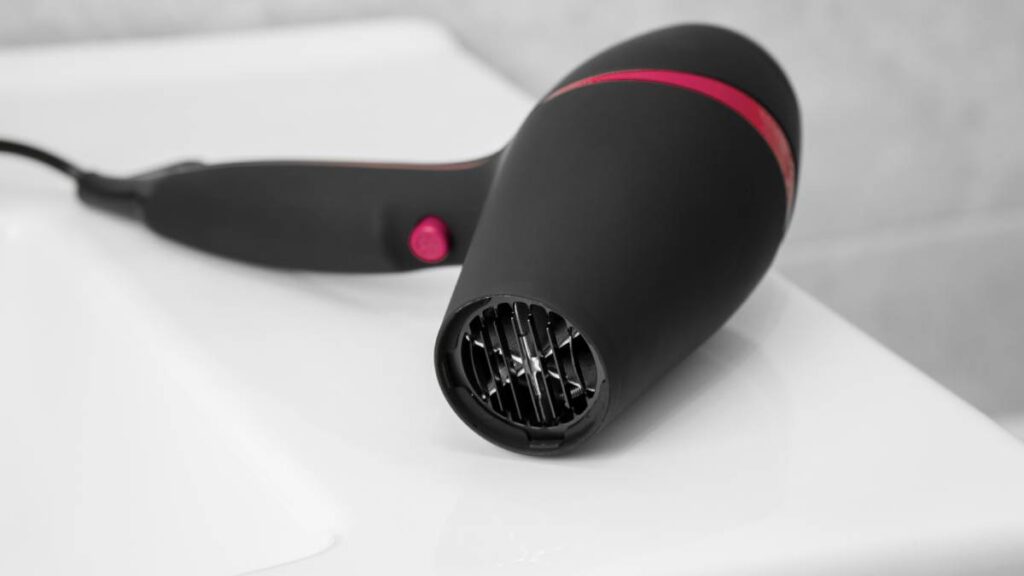
Reports have emerged suggesting someone tampered with a Météo-France temperature sensor near Paris Charles de Gaulle Airport, potentially using something as simple as a hair dryer. The motive? To influence weather prediction markets on Polymarket and walk away with about $34,000.
The Incident and Its Implications
Polymarket, a decentralized platform for betting on real-world events, reportedly relied on data from a single temperature sensor at the airport to inform its Paris temperature market. This dependence on one data source made it susceptible to manipulation.
The individual behind the alleged tampering is believed to have temporarily heated the sensor, causing it to register artificially high temperatures.
On April 6, around 6:30 p.m., the sensor picked up a quick increase in temperature, going up by about 4 degrees Celsius (about 7.2 degrees Fahrenheit) in just 12 minutes, briefly hitting 22.5 degrees Celsius (72.5 degrees Fahrenheit) before going back to normal. Then, on April 15, at about 9:30 p.m., the temperature went up again to 22 degrees Celsius (71.6 degrees Fahrenheit) while the skies were calm and cloudy, but it dropped back down a few minutes later.
This action reportedly triggered payouts on two separate bets, netting profits of around $14,000 and $20,000.
Vulnerabilities in Prediction Markets
This incident highlights how vulnerable prediction markets can be, especially when there is heavy reliance on a single, easily manipulated data source.
It raises important questions about data integrity and market design: Should there be more comprehensive checks and balances? Could cross-referencing with multiple sensors prevent such manipulations? This situation has sparked broader concerns about safeguarding the reliability of data powering these markets.
Responses from the Airport and Polymarket
In response to the suspicious temperature readings, Météo-France, France’s national meteorological service, filed a criminal complaint and inspected the sensor.
The alleged tampering is under investigation as criminal fraud or interference with an automated data system under French law. As legal proceedings unfold, this case underscores the need for both legal and technical safeguards to protect these platforms from manipulation.
Polymarket has since switched its data source to another location, Paris-Le Bourget Airport, to mitigate reliance on the compromised sensor.
Other Alleged Cases of Market Manipulation
This isn’t Polymarket’s first brush with manipulation; past incidents have involved issues affecting various markets, including geopolitical and insider trading bets, including:
Polymarket and the Ukraine Mineral Deal (2025): An attacker used 5 million UMA tokens to influence votes within the UMA oracle system and falsely settle a market concerning a mineral deal in Ukraine, winning $7 million.
Insider Trading on Venezuela and Iran (2025-2026): Various insider trading incidents have been reported. In one, a user bet on Venezuela’s leader being captured hours before it happened, earning over $400,000. Another user, known as “Magamyman,” profited over $500,000 by predicting an Israeli attack on Iran’s Ayatollah.
Kalshi and Political Insider Trading (2026): On another platform, Kalshi, political candidates were found betting on their own election outcomes. Kalshi’s internal surveillance linked the betting accounts to the candidates, resulting in fines and 5-year bans.
Each of these cases underscores the risks of market manipulation and the necessity for strong regulatory frameworks to maintain fair and honest trading environments. Operators have to constantly be on the lookout for the potential for manipulation to occur.
Lessons from the Airport Incident
Ultimately, the airport incident transcends its weather roots to serve as a cautionary tale about how minor oversights can have significant financial ramifications in the prediction markets world. It underscores the need to strengthen measures to secure and authenticate data sources, especially those that determine financial outcomes.
The story of the tampered temperature sensor offers vital lessons for the future of prediction markets.
As these platforms evolve, ensuring data integrity should be a top priority. In a world driven by data decisions, a single compromised sensor can lead to substantial consequences. As we progress, this narrative serves as a reminder of the constant need to balance innovation with precaution.